Cost Guide
How Much Does Phlebotomy Training Cost?
How Much Does Phlebotomy Training Cost?
How much phlebotomy school costs depends mostly on who runs it: the median published whole-program price is $1,400 across 272 programs, with public schools at a median $1,388 and private for-profit schools at $2,600. North Carolina community colleges charge $180 tuition for non-credit courses that include clinical hours, while bundled medical assistant and lab programs top $5,000. Expect to add a background check, drug screen, scrubs, a textbook and often the exam fee. Compare prices in the most affordable phlebotomy programs ranking.
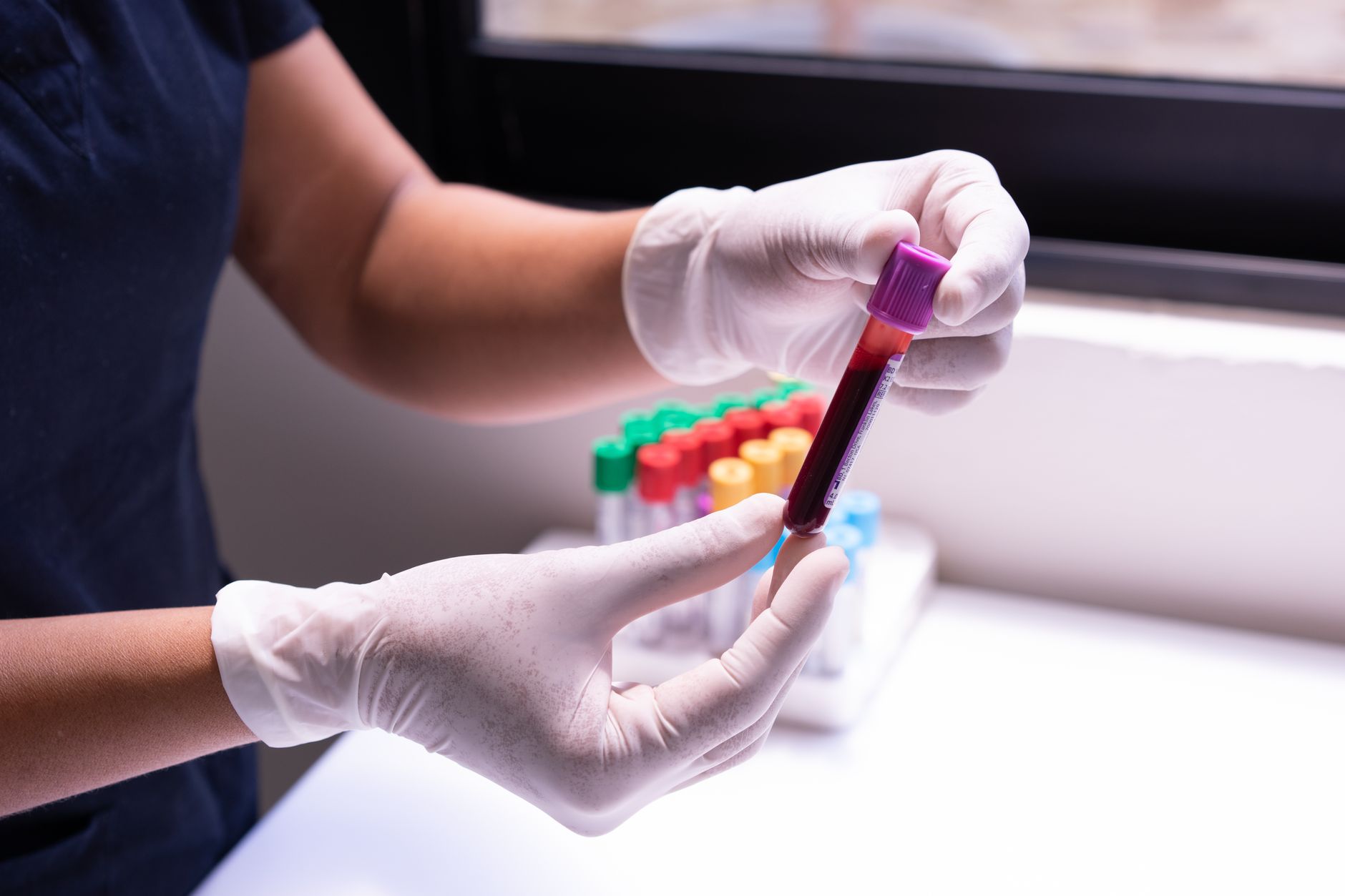
How Much Does Phlebotomy School Cost?
Of the 696 phlebotomy programs checked in November 2026, 272 publish a whole-program price, and the median is $1,400. That single number hides a spread from a $180 community college course to an $11,780 private certificate, so the useful questions are what kind of program you are pricing and what the price covers.
Three things drive the cost more than anything else:
- Who runs it. Public colleges and adult schools charge a median $1,388; the seven private for-profit schools publishing a price charge a median $2,600.
- How it is billed. Non-credit workforce courses usually quote one course fee. Credit certificates bill tuition per credit plus college fees, so their published prices are less often a single total.
- What is bundled. A $2,000 price that includes the textbook, scrubs, background check and exam can cost you less than a $1,200 price that includes none of them.
Prices below are each school’s own published figure with its year where the school gives one. A per-credit rate is a rate, not a program price, so those programs are left out of the medians.
Published Prices by Program Type
| Program type | Programs publishing a price | Lowest | Median | Highest |
|---|---|---|---|---|
| Non-credit course | 211 | $180 | $1,500 | $5,999 |
| Credit certificate | 53 | $50 | $1,282 | $11,780 |
| Diploma | 8 | $536 | $822 | $2,942 |
| Public school | 200 | $50 | $1,388 | $6,308 |
| Private nonprofit | 3 | $850 | $3,305 | $5,000 |
| Private for-profit | 7 | $1,500 | $2,600 | $11,780 |
Two notes on reading this table. The $50 low for certificates is Utah Tech University’s course fee for consumable supplies, with tuition billed separately, so it is not a whole-program price. And the certificate median sits below the non-credit median partly because many colleges list only a phlebotomy course’s tuition, while workforce courses tend to quote one bundled fee.
The Lowest-Cost Phlebotomy Programs
North Carolina’s community colleges set the floor. Their non-credit phlebotomy courses charge a $180 tuition rate and still include clinical hours, which is unusual at any price.
| Program | Tuition | Hours | What else the college lists |
|---|---|---|---|
| Fayetteville Technical Community College | $180 | 258, with 100 clinical | College’s total estimate $390.99 to $549.98 with textbook, CPR card, background check, drug screen and rotation fee |
| Surry Community College | $180 registration | 152, with 56 clinical | College’s total estimate $316 for 2026-27 |
| Wake Technical Community College | $180 | 176, with 50 clinical | Supply fee $99, background and drug screen $129, book about $135 |
| Nash Community College | $180 | 236, with 128 clinical | $341.25 due at registration including the $145 ASCP exam fee; about $560 more for other costs |
| Wilkes Community College | $195.55 | 212, with 104 clinical | Background check and drug screen $90; textbook $109.95 |
| Isothermal Community College | $185 registration | 225 | Institutional technology fee |
Outside North Carolina, low-cost whole-program prices are rarer. Wallace State Community College in Alabama lists an $800 course cost, and Tennessee College of Applied Technology-Knoxville charges $371 tuition plus $71 for books for 2026-27. For a fuller list by state, see the most affordable phlebotomy programs and the North Carolina program list.
Why Some Programs Cost Thousands More
The top of the range is mostly programs that teach more than phlebotomy, or hospital-based schools with long clinical rotations.
- Kaiser Permanente School of Allied Health Sciences lists tuition and fees of $4,700 plus $731 for books and clothing, for 288 hours with 160 clinical hours.
- Lake Area Technical College estimates $6,308 for its 16.5-credit certificate in 2026, which includes $2,211 tuition and a $1,190 laptop.
- Downey Adult School’s $5,999 course is a 700-hour medical assistant specialist program with phlebotomy inside it.
- Campus (formerly MTI College) charges $11,780 for a medical assistant certificate for 2027, the highest published price.
If you want only phlebotomy, a bundled medical assistant program is the expensive way to get it. If you want the broader job, compare it with the phlebotomist vs medical assistant guide first.
What the Sticker Price Leaves Out
Most published prices cover instruction and little else. These are the extra costs colleges list most often, in their own figures.
| Extra cost | What schools list |
|---|---|
| Background check and drug screen | $90 at Wilkes; $129 at Wake Tech; about $45 plus about $47 at Vance-Granville Community College |
| Textbook | $95 at Fayetteville Tech; $109.95 at Wilkes; about $135 at Wake Tech |
| Malpractice or liability insurance | $16 at Fayetteville Tech; $6 at Wake Tech |
| Uniform or scrubs | $30 to $40 at Vance-Granville |
| Immunizations or blood testing | An estimated $100 to $300 at Utah Tech |
| Certification exam | $145 ASCP exam at Nash; $119 to $155 on the certifying bodies’ sites |
| State certification (California) | $100 CPT I licensing fee at Grossmont Adult Education |
The pattern for a $180 North Carolina course: the extras roughly equal or exceed the tuition. Fayetteville Tech’s own estimate puts the total at $390.99 to $549.98. Private schools tend to run the other way. Pro Med Career Institute’s $2,100 includes the uniform, book, liability insurance, background check and externship, while Northeast Medical Institute’s $1,200 excludes enrollment fees, supplies, books and insurance.
Phlebotomy Training Cost by Credential and School Type
| Group | Priced | Lowest | Median | Highest |
|---|---|---|---|---|
| Non-credit courses | 270 | $180 | $1,388 | $5,999 |
| Certificates | 57 | $50 | $1,308 | $11,780 |
| Diplomas | 8 | $536 | $822 | $2,942 |
| Public colleges | 223 | $50 | $1,389 | $6,308 |
| Private for-profit schools | 7 | $1,500 | $2,600 | $11,780 |
| Every program | 335 | $50 | $1,360 | $11,780 |
The Lowest Published Prices
- High Plains Technology Center courseWoodward, OK · January 13 - February 17, 2027 (Wednesdays 5-9 pm) · $200
- Edgecombe Community College courseTarboro, NC · externship: included · $201.50
- Caldwell Community College and Technical Institute courseHudson, NC · externship: included · $205
- Beaufort County Community College courseWashington, NC · January 29 to April 30, 2027 · externship: included · $205.25
- Robeson Community College courseLumberton, NC · Hybrid cohort October 1, 2026 to May 1, 2027 · externship: 126 hours · $212.60
- Sandhills Community College coursePinehurst, NC · $215.50
- Johnston Community College courseSmithfield, NC · externship: included · $219
- Stanly Community College courseAlbemarle, NC · externship: 100 hours · $221.50
Programs That Include the Certification Exam
Sixty-one programs fold the exam fee or a voucher into the price: 29 at public schools and 9 at for-profit schools. That saves you $119 to $155 at the certifying body’s rates and usually means testing on campus.
- Bevill State Community College: $1,025 covering the class, textbook, background check, drug screen, insurance, CPR card, scrubs and the ASPT exam.
- Snead State Community College: $1,530 with textbooks, CPR, drug screen, exam fee and study guide; background screen, physical, immunizations and scrubs are extra.
- Hillsborough College: $1,549 with a CPT study package, one exam attempt, textbooks and scrubs.
- McHenry County College: $1,999 with all books, materials and the CPT exam fee.
- College of the Redwoods: $2,195 with books, one CPT attempt and externship placement; the CDPH license application and screenings, about $300 to $400, are extra.
The phlebotomy certification guide compares the four national exams in detail.
Ways to Pay: Pell Grants, WIOA and Employer Help
Pell Grants for Credit Programs
A Federal Pell Grant goes to undergraduates with financial need who have no bachelor’s degree, and unlike a loan it does not have to be repaid except in certain circumstances. The maximum for 2026-27 is $7,395. The catch is that your program has to be approved for federal aid, and many short phlebotomy programs are not. Osceola Technical College estimates $1,590.09 for its 165-hour certificate and says it is not Pell eligible. Lackawanna College’s estimated $5,000 certificate is not eligible for financial aid. Modesto Junior College’s $4,200 fee-based course is not financial-aid eligible either.
Workforce Pell for Short Courses
Starting with the 2026-27 award year, Workforce Pell extends Pell to short programs that run 150 to 599 clock hours over at least 8 but fewer than 15 weeks. The program must be certified by the governor, approved by the U.S. Department of Education, and meet completion and job placement rates of at least 70%. Non-credit programs can qualify. The median non-credit phlebotomy course runs 90 clock hours, under the floor, but longer courses such as Fayetteville Tech’s 258 hours fall inside the range. Ask the college’s financial aid office whether its course is on the approved list before you count on it.
WIOA Training Funds
The Workforce Innovation and Opportunity Act pays for training through American Job Centers. Its Adult program must give priority to people on public assistance and other low-income individuals, and a separate program serves dislocated workers. Lackawanna names WIOA funding for those who qualify, and Arkansas Tech University’s course qualifies for Arkansas Workforce Challenge and WAGE II funding. Start at your local American Job Center before you enroll, not after.
Employer Tuition Help
If you already work in a hospital, clinic or nursing home as a CNA or aide, ask about tuition assistance. Under an IRS educational assistance program, up to $5,250 a year from your employer is tax-free to you, and the course does not have to be work-related.
Grant-Funded and No-Tuition Options
A handful of programs cost the student nothing or close to it, usually for a limited cohort. Roxbury Community College lists a $0.00 course fee for its 210-hour course in fall 2026. Kennebec Valley Community College offers $0 seats, valued at $1,000, to selected trainees through the Rural Health Transformation Program. Massasoit Community College waives its combined phlebotomy and EKG course for unemployed or underemployed applicants who qualify, and Modesto Junior College runs a grant-funded cohort alongside its $4,200 course. Seats in these cohorts are limited, so apply early and have a backup.
Non-Credit Course or Credit Certificate: The Cost Trade-Off
A non-credit course is usually the faster, lower-cost route: a median 10 weeks and 90 clock hours, with a median published price of $1,500. A credit certificate takes a median 16 weeks and 9 credits, and its credits can count toward a later degree in nursing or lab science.
- No healthcare experience and limited cash: a non-credit community college course with clinical hours, such as Fayetteville Tech or Wilkes.
- CNA or medical assistant adding a skill: a short course, and ask your employer about tuition help first.
- Working days: check where the clinical hours fall. Evening classes do not always mean evening clinicals.
- Planning a degree: a credit certificate, even if the sticker price is higher, because the credits carry forward.
How to Compare Phlebotomy Training Costs
- Get the total, not the tuition. Ask for the full list of fees, as Fayetteville Tech and Wake Tech publish.
- Check what is bundled. Exam, textbook, scrubs, background check and CPR card can add several hundred dollars.
- Confirm clinical hours are included. A course without an externship leaves you finding documented draws on your own.
- Ask about aid before you enroll. Check Pell, Workforce Pell and WIOA eligibility first; several programs here say they are not aid-eligible.
- Compare the price per program, not per credit. A per-credit rate tells you little until you know every fee.
For the time side of the decision, see how long phlebotomy training takes, and for what the job pays once you finish, the phlebotomist salary guide. To see every program ranked, start with the best phlebotomy programs or the best phlebotomy courses.
Frequently Asked Questions
Can You Get Phlebotomy Training at No Cost?
Sometimes. Roxbury Community College lists a $0.00 course fee for fall 2026, Massasoit Community College waives its phlebotomy and EKG course for eligible unemployed or underemployed applicants, and Kennebec Valley Community College offers $0 seats to selected trainees through the Rural Health Transformation Program. WIOA training funds through an American Job Center are the other main route.
Is the Phlebotomy Exam Fee Included in Tuition?
Usually not. Only 61 of the 696 programs checked include the exam fee or a voucher. On the certifying bodies' own sites the exam costs $119 (NCCT), $125 (AMT), $134 (NHA) or $155 (ASCP).
Is Online Phlebotomy Training Less Expensive?
Not reliably, and it cannot be fully online. All 117 programs with online coursework are hybrids that still require in-person practice and clinical draws. Compare hybrid options in the online phlebotomy programs ranking.
Do Phlebotomy Programs Offer Payment Plans?
Many private schools and fee-based college programs do. Modesto Junior College offers a payment plan on its $4,200 fee-based course, and Charter Oak Adult Education and Petaluma Adult School list payment plans on their $2,995 courses.
How Much Is Phlebotomy School at a Community College?
Public schools publishing a whole-program price have a median of $1,388, from $180 tuition at North Carolina colleges such as Surry Community College to Lake Area Technical College's $6,308 total estimate for a 16.5-credit certificate. The community college phlebotomy programs ranking lists them.
Does Pell Cover a Short Phlebotomy Course?
Only if the program is approved for federal aid. Since the 2026-27 award year, Workforce Pell can cover approved programs of 150 to 599 clock hours lasting 8 to 14 weeks. The maximum Pell Grant for 2026-27 is $7,395.
Keep Reading
- How to Become a PhlebotomistThe training, supervised blood draws, certification exam and state rules that take you from no experience to your first phlebotomy job
- Phlebotomy CertificationThe national phlebotomy certifications, who can sit each exam, what the eligibility routes require and which programs prepare you for them
- Phlebotomist SalaryWhat phlebotomists earn nationally and in every state (BLS OEWS), the spread from entry level to the top tenth, and where the job leads
- Best Phlebotomy ProgramsEvery program, scored and ranked
- Phlebotomy Programs by StateEvery state's schools, ranked
Sources
- Federal Student Aid: Federal Pell Grants
- Federal Student Aid: Workforce Pell FAQs (October 2026)
- U.S. Department of Labor: WIOA Adult and Dislocated Worker Programs
- IRS: Educational Assistance Programs FAQ
- NHA Store: CPT Exam Application
- ASCP BOC: Phlebotomy Technician PBT(ASCP)
- AMT: Registered Phlebotomy Technician
- NCCT: Phlebotomy Technician (NCPT)
- Federal Student Aid