Careers
What Does a Phlebotomist Do?
What Does a Phlebotomist Do?
What does a phlebotomist do? A phlebotomist draws blood from patients and blood donors, confirms who each person is, labels every tube so the lab can test it, and keeps the equipment and work area clean. Most work in hospitals and medical and diagnostic laboratories, and training usually takes about 13 weeks, including supervised draws on real patients. Compare programs on the best phlebotomy programs ranking.
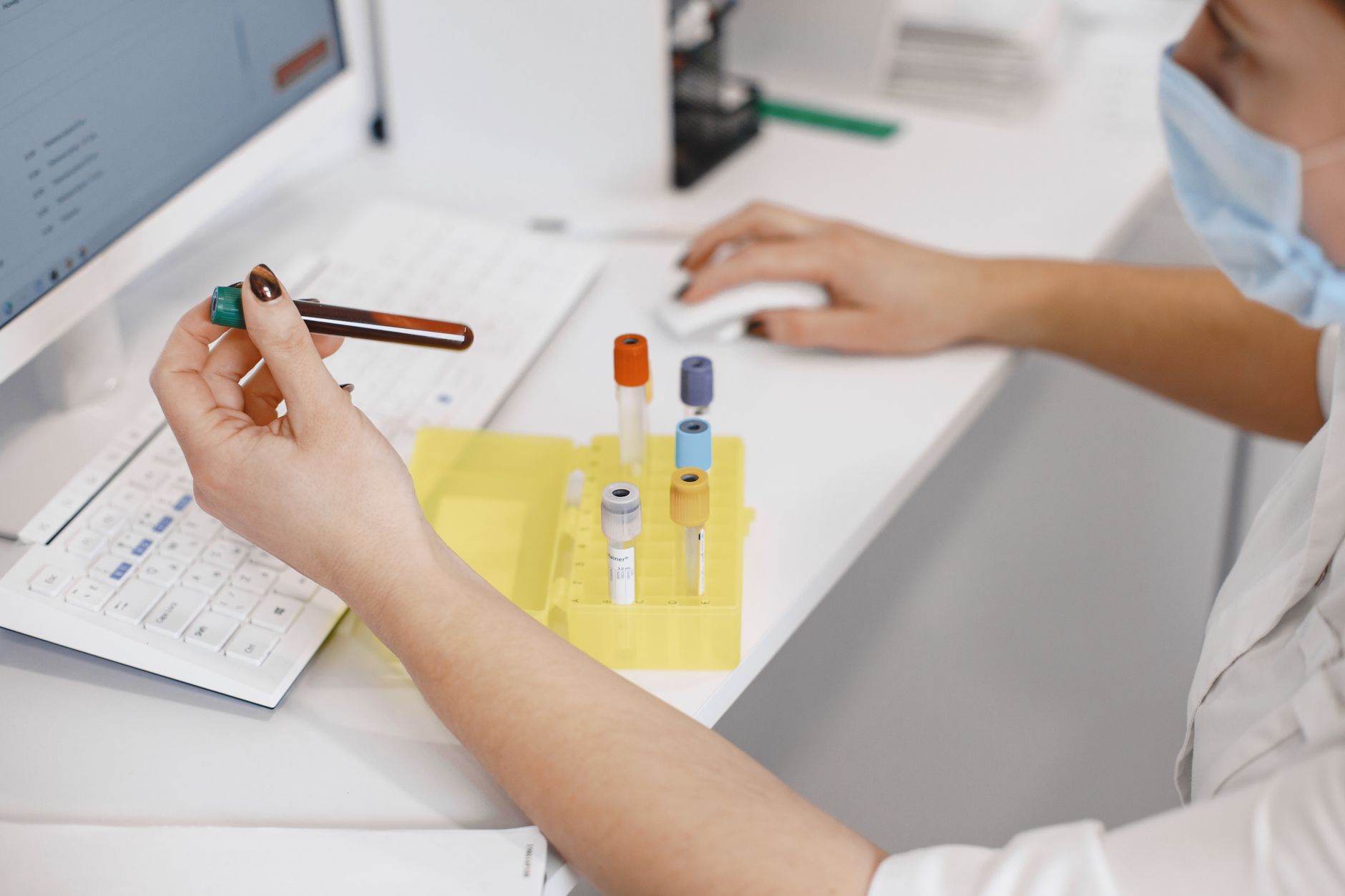
What Does a Phlebotomist Do All Day?
A phlebotomist is the person who draws your blood. The sample then goes to a laboratory for testing, or, at a donation center, into the blood supply for transfusions.
The draw itself takes a few minutes. Most of a phlebotomist’s attention goes to everything around it: making sure the right person gets the right tests, keeping a nervous patient calm, filling the right tubes and labeling each one so the lab can match the result to the patient. A mislabeled tube can mean a wrong result or a repeat draw, so accuracy is the job.
BLS counted about 143,900 phlebotomist jobs in 2025, and it projects about 18,000 openings a year on average through 2035.
Phlebotomist Duties and Responsibilities
The Bureau of Labor Statistics lists the core duties. In plain terms, a phlebotomist:
- Draws blood from patients or blood donors, from a vein (venipuncture) or a fingertip (capillary puncture), the two methods programs train and count.
- Explains the procedure to help nervous patients and donors relax.
- Verifies identity before every draw, so the sample belongs to the right person.
- Labels the collected blood for testing or processing.
- Handles other samples. Phlebotomists label sterile containers for samples such as urine and tell patients how to collect them.
- Enters sample information into a database or the lab system.
- Sets up and disposes of equipment, including needles, tubes and vials.
- Keeps the work area and equipment clean and sanitary.
The setting changes the pace. Most blood goes to a medical laboratory for testing, while at donation centers and blood drives the person in the chair is a donor rather than a patient, and the blood is collected for procedures such as transfusions.
Where Phlebotomists Work
Hospitals and laboratories employ more than two-thirds of phlebotomists. Here’s how the jobs split in 2025, according to BLS:
| Workplace | Share of phlebotomist jobs, 2025 | Median annual pay, May 2025 |
|---|---|---|
| Hospitals (state, local and private) | 36% | $44,220 |
| Medical and diagnostic laboratories | 33% | $46,670 |
| All other ambulatory healthcare services | 16% | $39,930 |
| Offices of physicians | 9% | $44,500 |
| Outpatient care centers | 2% | $48,030 |
Source: BLS Occupational Outlook Handbook, Phlebotomists.
Some phlebotomists travel. BLS notes that some go to long-term care centers or patients’ homes, and some set up mobile donation centers at different sites. If that kind of work appeals to you, read how to become a mobile phlebotomist.
Most phlebotomists work full time. Hospital and lab jobs may include nights, weekends and holidays, which suits some people and rules the job out for others.
Skills and Qualities the Job Takes
The technical skills are taught in training that runs 13 weeks at the median. BLS lists six qualities that decide who does the job well:
- Communication. You explain the procedure and give clear instructions, often to someone who is anxious or unwell.
- Compassion. Some patients fear needles. Staying patient and considerate is part of the work.
- Attention to detail. You draw the right amount for the tests ordered and label every tube correctly.
- Dexterity. Steady, efficient hands keep discomfort to a minimum.
- Teamwork. You work with nurses, lab staff and doctors.
- Physical stamina. You stand for long stretches and move around all day.
The job also asks for comfort around blood and the habit of following the same safety and cleaning routine on every draw, since keeping work areas and equipment sanitary is one of the listed duties.
What Phlebotomy Training Includes, by the Numbers
| The program's page says it includes | Programs |
|---|---|
| A clinical externship | 548 |
| A stated number of supervised draws | 112 |
| Preparation for a named national exam | 425 |
| The exam fee or a voucher | 84 |
| EKG training alongside phlebotomy | 16 |
What Phlebotomy Training Covers
BLS describes phlebotomy programs as instruction in anatomy, physiology and medical terminology plus laboratory work, leading to a certificate. All of them teach how to identify, label and track blood samples. Some employers also ask for Basic Life Support (CPR) certification, which several programs build in.
The part that matters most is supervised practice on real people. Programs set their own minimums for documented draws and clinical hours, and the national exams set theirs: the NHA Certified Phlebotomy Technician exam requires at least 30 venipunctures and 10 capillary or finger sticks on live individuals.
Here’s how the hands-on part differs across programs on this site:
| Program | Hands-on requirement | Clinical time | Exam prepared for |
|---|---|---|---|
| Blinn College, Brenham, TX | At least 100 live sticks | 80-hour onsite clinical | NHA CPT, exam included in cost |
| Lackawanna College, Scranton, PA | At least 100 documented venipunctures and 10 dermal punctures | Supervised clinical externship | NHA CPT |
| Garden City Community College, KS | 50 successful venipunctures and 10 successful skin punctures | Clinical rotations at local hospitals, clinics and labs | AMT |
| Los Angeles Career College, North Hollywood, CA | 50 venipunctures and 10 skin punctures | 40-hour externship | NHA, then California CPT I |
| Wake Technical Community College, Raleigh, NC | 50 blood collections | 50 hours of clinical practice | ASCP |
| Hillsborough College, Tampa, FL | 30 venipunctures and 10 capillary sticks in the lab | No clinical | NHA CPT, one attempt included |
The difference between those rows is real. A program like Hillsborough’s, at $1,549 with the exam attempt included, gets you to the NHA minimum in the lab. A program with a hospital externship, like Pima Medical Institute-Phoenix with its 160-hour externship, gives you experience on real patients that employers can see on your resume. The phlebotomy programs with externships ranking lists the programs that include one.
Across the 696 programs on this site, the median length is 13 weeks and the median clinical requirement, among those that state one, is 100 hours. The how long is phlebotomy training guide breaks length down by program type.
How to Choose a Program That Prepares You for the Job
Use the job duties as your checklist. Each point below ties to a real difference between programs:
- Documented live draws. The NHA minimum is 30 venipunctures and 10 capillary sticks. Programs range from that minimum done in a lab to 100 or more on patients, as at Blinn College.
- A clinical placement. Of the 696 programs on this site, 486 include clinical hours. Without one, you need another way to log supervised draws before an exam or an employer will accept you.
- The exam. 61 programs include the exam fee or a voucher. Check which credential the program prepares you for and whether employers near you ask for it.
- Schedule. 188 programs offer evening classes and 45 offer weekend classes, but the clinical part often runs on weekday daytime hours.
- The full cost. Some listings show tuition alone. Bakersfield College lists $184 tuition for its phlebotomy course and a total estimated semester cost of $1,696.50 once fees, books, screenings, the uniform and the licensing fee are added.
How Much Phlebotomists Make
The national median was $45,230 a year in May 2025, or $21.75 an hour. The middle half earned between $38,190 and $48,930. Pay depends heavily on the state, so check the phlebotomist salary guide before you set expectations.
Is Phlebotomy a Good Fit for You?
Phlebotomy suits people who like routine, short patient contacts and precise work, and who want a healthcare job without years of school. How you get in depends on where you’re starting:
- No healthcare experience. A non-credit workforce course is the shortest route. Nash Community College in Rocky Mount runs eight weeks of morning classes, then 128 hours of clinical experience, with $341.25 due at registration including the ASCP exam fee.
- Already a CNA or medical assistant. Draws add a skill your employer can use right away. Some courses accept experienced workers: the Regional Center for Border Health in Somerton, AZ runs a two-week, 40-hour course for people who already have training or a year of experience.
- Working days. Evening and weekend formats exist, but most externships run on weekday daytime hours. Wilkes Community College offers an evening section, and evening students must be available 24 daytime hours a week for clinical. The evening and weekend phlebotomy classes ranking lists more.
- Planning to build on it. A credit certificate counts toward a later degree. City Colleges of Chicago-Malcolm X College offers a 16-credit basic certificate over 16 weeks.
Where Phlebotomy Can Lead
Many people use phlebotomy as a first job in healthcare and add to it. Common next steps:
- EKG technician. Fifteen programs on this site train you for both. Madison Adult Career Center in Mansfield, Ohio, runs a 244-hour Phlebotomy/EKG course with well over 100 venipunctures through lab and externship. See phlebotomy and EKG programs.
- Medical assistant. NHA lists phlebotomy among the tasks of a Certified Clinical Medical Assistant, and BLS lists a $45,690 median for medical assistants. Compare the two in phlebotomist vs medical assistant.
- Clinical laboratory technician or technologist. BLS lists a $62,930 median, usually with a bachelor’s degree as the entry route.
- Nursing. A credit-bearing phlebotomy certificate earns college credits, so if nursing is your goal, choose a credit certificate and ask the nursing program which courses it accepts.
How to Get Started as a Phlebotomist
The order matters here, because each step depends on the one before it:
- Pick a program with supervised draws on real patients, and check its clinical hours and documented draw count.
- Finish the coursework and the externship or clinical rotation.
- Pass a national certification exam: NHA, ASCP, AMT or NCCT. The phlebotomy certification guide compares them.
- Check whether your state has its own requirements in the phlebotomy license requirements by state guide.
- Apply to hospitals, labs and clinics, and ask your externship site whether it is hiring.
For the full walk-through, read how to become a phlebotomist.
Frequently Asked Questions
Is a Phlebotomist a Nurse?
No. A phlebotomist is a specialist in collecting blood and some other samples. Most enter with a postsecondary certificate that takes less than a year. Nursing is a separate, longer path, though some people start with phlebotomy and go on to it.
Do Phlebotomists Only Draw Blood?
Drawing blood is the core of the job, but BLS also lists labeling sterile containers for samples such as urine, instructing patients on how to collect them, entering sample information into a database, and assembling and disposing of needles, tubes and vials.
Do Phlebotomists Work Nights and Weekends?
Most phlebotomists work full time. BLS notes that those in hospitals and labs may need to work nights, weekends and holidays.
How Much Do Phlebotomists Make?
The national median was $45,230 a year, or $21.75 an hour, in May 2025 (BLS OEWS). See the phlebotomist salary guide for every state.
Can You Become a Phlebotomist Without a Degree?
Yes. BLS says phlebotomists typically enter with a certificate from a postsecondary phlebotomy program, and some qualify with a high school diploma and on-the-job training. Of the 696 programs on this site, 329 are non-credit courses.
Is It Hard to Learn to Draw Blood?
It takes practice under supervision. Programs set minimums: Lackawanna College requires at least 100 documented venipunctures and 10 dermal punctures, and Los Angeles Career College requires 50 venipunctures and 10 skin punctures during its externship.
Keep Reading
- Phlebotomist SalaryWhat phlebotomists earn nationally and in every state (BLS OEWS), the spread from entry level to the top tenth, and where the job leads
- Mobile PhlebotomistWhat mobile phlebotomists do, the training and experience they need, and how the work differs from a hospital or lab job
- Phlebotomist vs Medical AssistantHow phlebotomists and medical assistants differ in training length, certification, daily work and pay
- How to Become a PhlebotomistThe training, supervised blood draws, certification exam and state rules that take you from no experience to your first phlebotomy job
- Phlebotomy CertificationThe national phlebotomy certifications, who can sit each exam, what the eligibility routes require and which programs prepare you for them
- How Long Training TakesHow many weeks, classroom hours and externship hours phlebotomy programs take, by credential, from programs checked on schools' own sites
- Best Phlebotomy ProgramsEvery program, scored and ranked
- Phlebotomy Programs by StateEvery state's schools, ranked